You don’t need a complicated diet to make better progress at the gym. A few consistent habits, such as eating enough protein, planning meals around training, staying hydrated and keeping easy foods available, can make a bigger difference than constantly changing your diet.
The real challenge is sticking with those habits when work gets busy, you’re tired, or motivation disappears. That’s where a simple approach wins.
Start With Your Protein Intake
If you’re training regularly, protein should have a place in your everyday meals. It supports muscle repair and helps you stay satisfied between meals.
You don’t have to get it all from shakes or supplements. Eggs, milk, curd, paneer, dal, chicken, fish, soy, nuts and other everyday foods can all contribute.
A useful habit is to look at each main meal and ask, “Where is my protein?”
If the answer is usually “there isn’t much,” that’s an easy place to improve.
Make Breakfast Count
Breakfast doesn’t need to be elaborate.
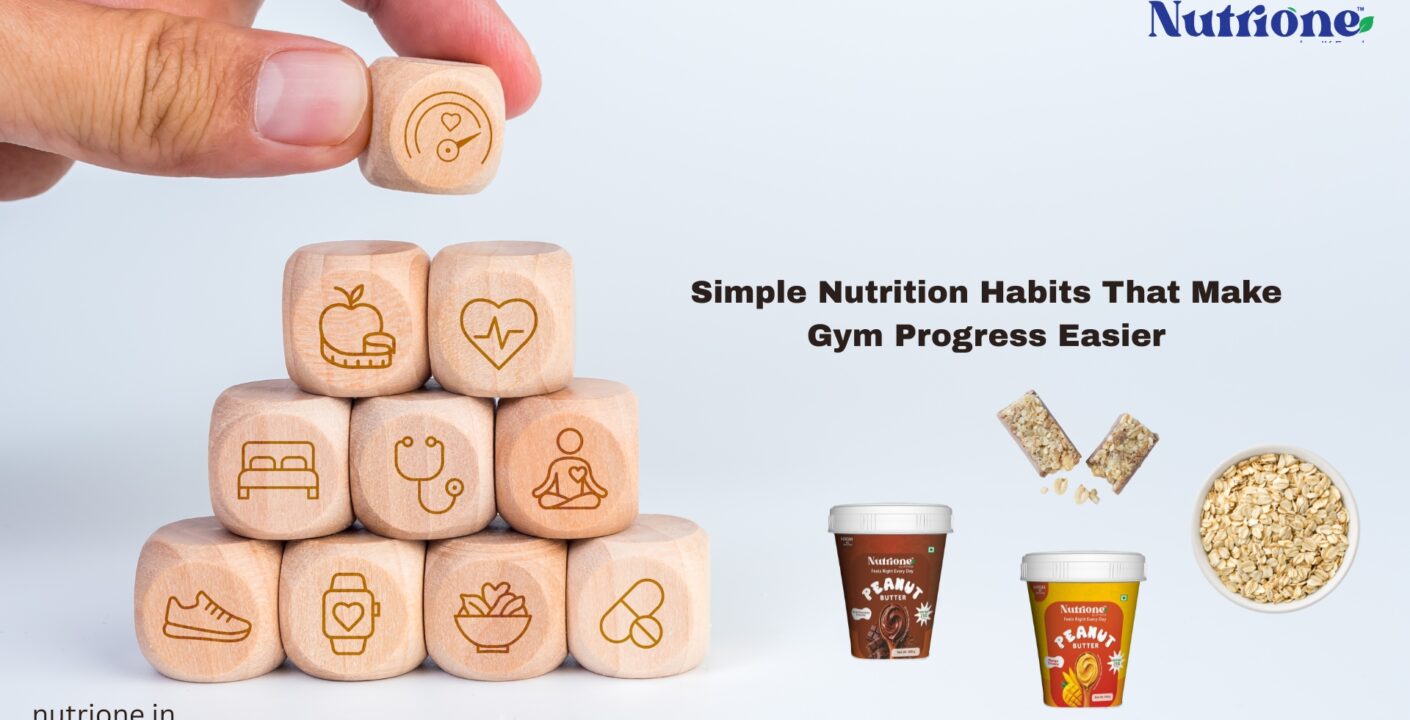
A bowl of protein muesli with milk or yogurt can be ready in minutes. Oats with milk, fruit and a spoonful of peanut butter can also make a practical breakfast when you’re heading to work or the gym.
The goal isn’t to create the perfect breakfast. It’s to stop starting your day with coffee and biscuits and then wondering why you’re starving by 11 AM.
Don’t Ignore Carbohydrates
Carbohydrates aren’t the enemy, especially if you train hard.
Rice, roti, oats, fruits, potatoes and other carbohydrate sources can provide energy for workouts and daily activity. The amount you need depends on your training, body size and overall goals.
If you’ve ever tried doing a hard leg workout after barely eating all day, you already know how much fuel can matter.
Eat Around Your Workout
You don’t need to obsess over a precise “anabolic window,” but workout timing can still influence how you feel and perform.
If you’re training after work, a small snack beforehand can help you avoid walking into the gym completely exhausted.
Try a banana with a small amount of peanut butter, yogurt with muesli, or a light bowl of protein oats if you have more time before training.
After training, have a proper meal rather than relying entirely on snacks.
Keep Easy Foods Within Reach
This is one of the most underrated nutrition habits.
When you’re hungry and there is nothing prepared, convenience usually wins. That’s when ordering fast food or grabbing packaged snacks becomes the easiest option.
Keep a few reliable foods at home and work:
| Keep Available | Easy Use |
| Oats | Quick breakfast |
| Muesli | Milk or yogurt bowl |
| Peanut butter | Toast, fruit or smoothies |
| Bananas | Pre-workout snack |
| Yogurt | Snack or breakfast |
| Eggs | Quick protein source |
You don’t need a fridge full of meal-prep boxes. Just make the better choice easier to reach.
Measure Calorie-Dense Foods
Healthy food can still add plenty of calories.
Peanut butter is a good example. It’s useful, tasty and provides protein and fats, but a tablespoon and a few generous spoonfuls aren’t the same thing.
If you’re trying to lose fat, portion awareness matters. If you’re trying to gain weight, those extra calories may actually help.
The food isn’t the problem. The quantity has to match the goal.
Hydration Still Matters
You can have your meals perfectly planned and still feel terrible during training if you’re not drinking enough fluids.
Keep a water bottle with you, particularly if you spend most of the day in an office or move between meetings.
Don’t wait until you’re extremely thirsty during a workout. Make drinking water a background habit throughout the day.
Stop Chasing Perfect Meals
Some days your breakfast will be excellent. Other days you’ll grab something quickly before leaving home.
That’s normal.
Gym progress doesn’t disappear because you ate one imperfect meal. What matters more is what you do repeatedly over weeks and months.
I’d rather see someone follow a simple 80% practical routine consistently than attempt a highly restrictive diet for two weeks and quit.
Make Healthy Food Something You Enjoy
Food shouldn’t feel like punishment.
If you like chocolate flavours, Chocolate Crunchy can make a simple snack or breakfast more enjoyable. If you prefer something fruity, Mango Creamy gives you another option.
This matters because taste influences consistency. If you genuinely enjoy what you’re eating, you’re much more likely to keep the habit going.
Track Something, But Don’t Track Everything
You don’t have to weigh every ingredient for the rest of your life.
If you’re new to structured nutrition, tracking your food for a short period can help you understand portions, protein intake and calorie density.
After that, you may find it easier to make decisions without logging every meal.
A simple approach is to monitor your body weight, gym performance, hunger and energy levels and adjust from there.
What Should You Focus on First?
If your nutrition feels completely disorganised, don’t try to fix everything at once.
Start here:
Week 1: Add a protein source to breakfast.
Week 2: Prepare one reliable snack for busy days.
Week 3: Improve your pre- and post-workout meals.
Week 4: Look at portions and adjust them according to your goal.
Small changes are easier to keep than a complete diet overhaul.
Simple Habits for Different Goals
| Goal | Nutrition Priority |
| Muscle gain | Enough calories + protein |
| Fat loss | Sustainable calorie deficit + protein |
| Better workouts | Adequate food and hydration |
| General fitness | Balanced meals + consistency |
Your training plan and nutrition should support each other. There’s little value in having an excellent workout programme if you’re constantly under-eating, skipping meals or relying on random snacks.
Frequently Asked Questions
Do I need supplements to make gym progress?
No. Supplements can be convenient, but a solid everyday diet can provide most of your nutrition needs.
Should I eat before working out?
If you feel energetic without food, you may not need a pre-workout meal. If you feel weak or hungry, a small, easy-to-digest snack can help.
Are oats good for people who go to the gym?
Yes. They provide carbohydrates and can be combined with milk, yogurt, fruit and other protein-rich foods.
Can I eat peanut butter while trying to lose weight?
Yes. Keep the portion appropriate for your calorie needs.
How long does it take to see results?
It depends on your training, nutrition, sleep, starting point and goal. Look at progress over several weeks rather than judging your results from a single workout or weigh-in.
Conclusion
Better gym nutrition doesn’t have to take over your life.
Eat enough protein. Don’t fear carbohydrates. Plan around your workouts. Keep convenient foods available. Drink water. Pay attention to portions and, most importantly, build habits you can repeat.
The best nutrition routine is rarely the most complicated one. It’s the one you can still follow when you’re tired, busy and not particularly motivated.