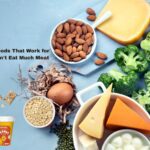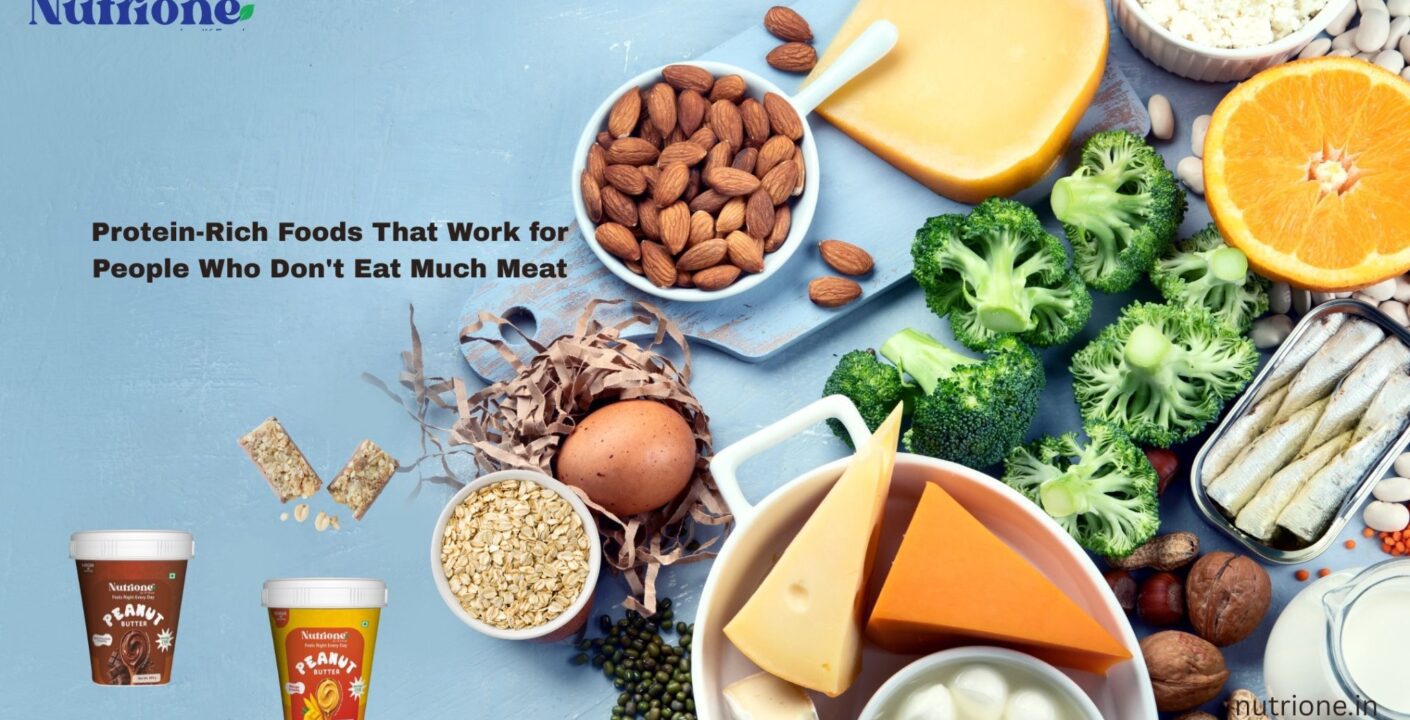
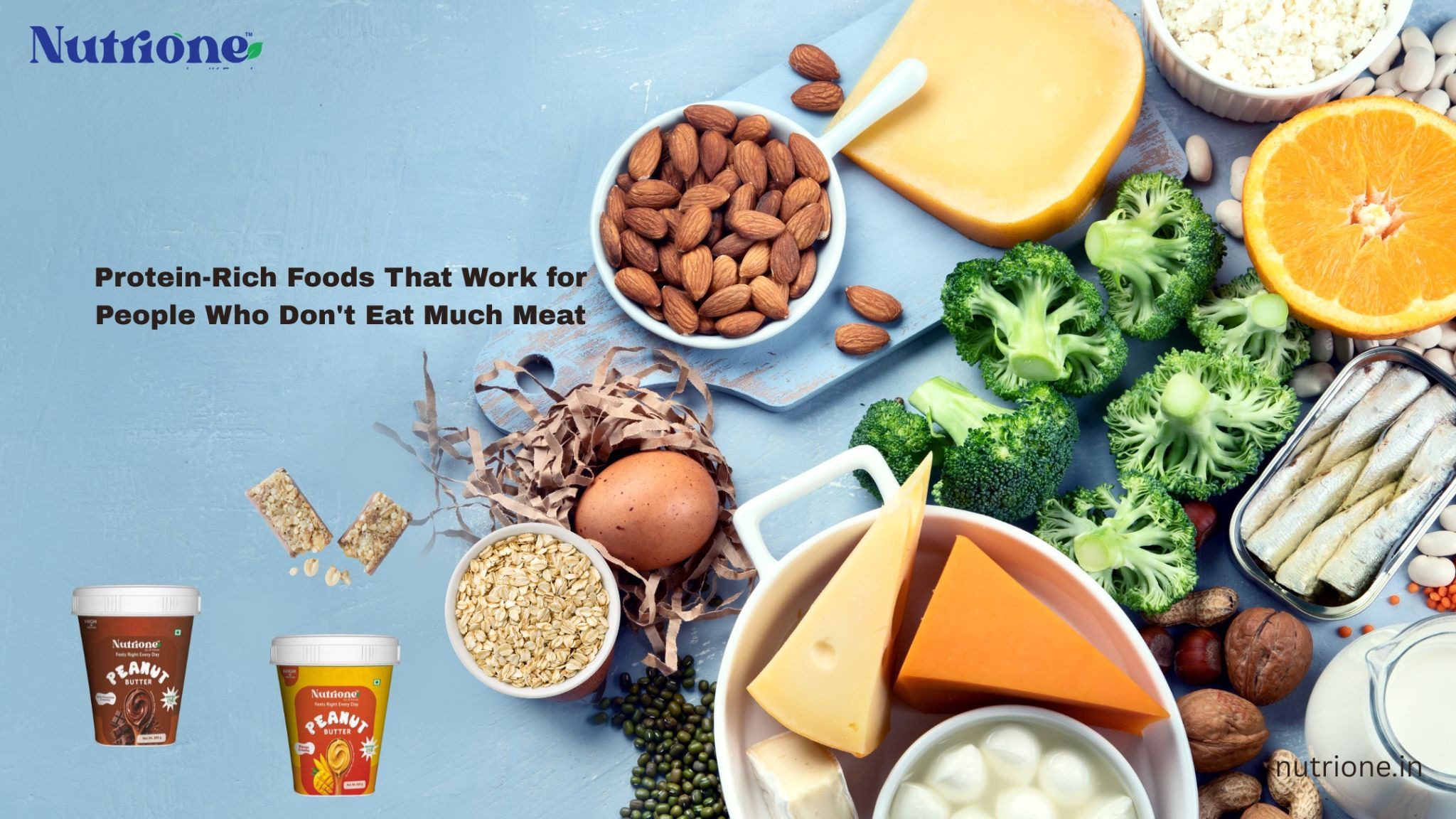
You don’t need to eat chicken or meat at every meal to get enough protein. For people who eat little meat, a combination of dairy, eggs, lentils, beans, soy, nuts, seeds and protein-focused foods can comfortably support muscle building and recovery.
The real challenge isn’t finding protein. It’s building meals that contain enough of it without making every meal feel like a nutrition project.
How Much Protein Do You Actually Need?
For people who regularly lift weights or train seriously, around 1.6 g of protein per kg of body weight per day is a useful target for many individuals.
So, if you weigh 70 kg, you’re looking at roughly 110 g of protein a day. You don’t have to get all of it from one source, and you certainly don’t need to eat meat at every meal.
A better approach is to spread protein across breakfast, lunch, snacks and dinner.
For example, a 70 kg gym-goer might build the day around eggs and oats at breakfast, dal and curd at lunch, a protein-rich snack in the evening, and paneer or soy at dinner.
What Are the Best Protein Foods If You Don’t Eat Much Meat?
There are plenty of options, but they aren’t nutritionally identical. Some provide a large amount of protein in a relatively small serving, while others are better used as part of a balanced meal.
| Food | How it helps | Easy way to use it |
| Eggs | Complete, convenient protein | Breakfast, sandwiches, rice meals |
| Milk & curd | Protein plus calcium | Smoothies, oats, snacks |
| Paneer | High-protein vegetarian option | Wraps, curries, salads |
| Dal | Protein + carbohydrates + fibre | Rice, roti or khichdi |
| Chickpeas & beans | Protein + fibre | Chaat, salads, wraps |
| Soy/tofu | Protein-dense plant option | Stir-fries, curries |
| Oats | Useful base for a protein-rich meal | Breakfast bowls |
| Muesli | Convenient breakfast/snack option | Mix with milk or curd |
| Peanut butter | Protein, fats and calories | Toast, oats, smoothies |
The key is to combine foods intelligently rather than expecting one ingredient to provide everything.
Can Oats Really Help You Get More Protein?
Yes, but there’s a common mistake here.
Regular oats are nutritious, but they aren’t an exceptionally high-protein food on their own. The easiest way to turn them into a more substantial protein meal is to combine them with milk, curd, Greek yogurt, nuts, seeds or a protein-focused oat product.
For someone heading to work after a morning workout, a bowl of protein oats with milk, banana and peanut butter can be much more practical than preparing a complicated breakfast.
It’s also more filling than treating breakfast as an afterthought.
Is Protein Muesli a Good Choice?
Protein muesli can be useful for people who want something quick, especially when cooking isn’t realistic on busy mornings.
But don’t judge it by the word “protein” on the front of the pack. Check the nutrition panel and look at protein per serving, serving size, added sugar and total calories.
Mixing protein muesli with milk or thick curd and adding fruit creates a convenient meal that can work before or after training.
What About Peanut Butter?
Peanut butter is useful, but I wouldn’t describe it as a replacement for a primary protein source.
Its real strength is that it combines some protein with healthy fats and calories. That makes it particularly useful for people who struggle to eat enough food around training.
Try it on whole-grain toast with banana, mix it into oats or add a spoonful to a smoothie.
For a different flavour profile, Mango Creamy can work with toast, oats or fruit-based breakfasts. If you prefer a richer chocolate taste, chocolate crunchy can make a simple snack more enjoyable without turning it into a complicated recipe.
Don’t Forget Dairy and Eggs
If you eat eggs and dairy, you’ve got two extremely practical protein sources available.
Eggs are easy to prepare, relatively affordable and versatile. Milk, curd, Greek yogurt and paneer can also contribute significant amounts of protein throughout the day.
For vegetarians who consume dairy, paneer and thick curd are particularly useful because they can be added to meals without requiring major changes to the diet.
A bowl of curd with muesli, fruit and seeds can become a five-minute breakfast. Paneer can go into a wrap or rice bowl for lunch.
Indian Foods Can Do More Than You Think
You don’t need to replace traditional Indian meals with Western-style “fitness food.”
Dal, rajma, chana, moong, soy, paneer and curd can all fit into a muscle-supporting diet.
The trick is paying attention to the total protein in the meal.
For example, rice and dal alone may not provide as much protein as someone assumes. Adding curd, eggs, paneer or another protein-rich food can make the meal substantially more useful for someone with higher protein requirements.
How Can You Build a High-Protein Day Without Much Meat?
Here’s a realistic example for a busy gym-goer:
Breakfast: Protein oats + milk + banana + peanut butter
Mid-morning: Curd + fruit
Lunch: Rice or roti + dal + vegetables + paneer
Evening: Protein muesli with curd or milk
Dinner: Roti + mixed dal + tofu or paneer + vegetables
Before bed, if needed: Milk or curd
This isn’t a rigid meal plan. It’s a framework that shows how protein can come from several smaller contributions rather than relying on chicken or meat.
What If You’re Trying to Build Muscle?
Muscle gain requires more than simply increasing protein.
You need progressive resistance training, adequate calories, sufficient recovery and enough protein consistently over time.
If you’re eating plenty of protein but training without progression, sleeping five hours a night and constantly undereating, adding another protein-rich snack won’t solve the bigger problem.
For most people, consistency beats nutritional perfection.
What If You’re Trying to Lose Weight?
Protein becomes particularly useful during fat loss because it helps meals feel more satisfying and supports the retention of lean mass when you’re in a calorie deficit.
But calorie density still matters.
Peanut butter, nuts, seeds and paneer can be excellent foods, but they’re energy-dense. Portion size matters if your goal is weight loss.
On the other hand, foods such as curd, dal, vegetables and legumes can provide protein alongside volume and fibre, making them easier to fit into a calorie-controlled diet.
A Simple Rule for People Who Don’t Eat Much Meat
Instead of asking, “What can I eat instead of chicken?”, ask:
“Where is the protein in this meal?”
If breakfast is mostly carbohydrates, add milk, curd, eggs or another protein source.
If lunch is rice and vegetables, include dal, paneer, beans or soy.
If your evening snack is biscuits or chips, replace it with something that actually contributes to your daily protein target.
That small change in thinking makes a high-protein diet much easier to maintain.
FAQ
Can I build muscle without eating meat?
Yes. Muscle growth depends primarily on resistance training, adequate calories, sufficient protein and recovery. Dairy, eggs, soy, lentils, beans, paneer and other foods can provide plenty of protein.
What is the best vegetarian protein source?
There isn’t one universal winner. Paneer, dairy, soy, lentils, beans, eggs if included, and protein-fortified foods can all play different roles. The best choice is one you can eat consistently while meeting your overall protein target.
Is peanut butter enough for protein?
No. It contributes protein, but its main nutritional advantage is the combination of fats, calories and some protein. Pair it with higher-protein foods such as milk, curd, oats or another protein source.
Are oats good for muscle building?
Yes, as part of a balanced meal. Oats provide carbohydrates, fibre and some protein, but adding milk, curd, yogurt, seeds or another protein source makes the meal much more suitable for someone with higher protein needs.
How can busy professionals eat more protein?
Start by upgrading meals you already eat rather than creating an entirely new diet. Add curd to lunch, eggs to breakfast, paneer or dal to dinner, and use convenient options such as protein muesli or protein oats when cooking isn’t practical.
Conclusion
Eating less meat doesn’t mean eating less protein.
The most practical approach is to build your diet around several reliable sources: dairy, eggs, lentils, beans, soy, paneer, oats, muesli, nuts and seeds. Products such as protein oats, protein muesli and peanut butter can make that routine easier, particularly when work and training leave little time for elaborate meals.
For gym-goers and busy professionals, the goal isn’t to eat “perfectly.” It’s to make sure every meal has a useful protein contribution and that those small contributions add up across the day.