Walk into any supermarket today and you’ll find dozens of peanut butter jars claiming to be natural, high protein, sugar-free, creamy, crunchy, or fitness-friendly. The truth is, most people don’t need the most expensive jar. They need the one that fits their eating habits and nutrition goals.
After helping people improve their diets over the years, I’ve noticed that buyers usually make one mistake. They choose based on the label on the front instead of the information on the back.
Here’s what you should actually look for.
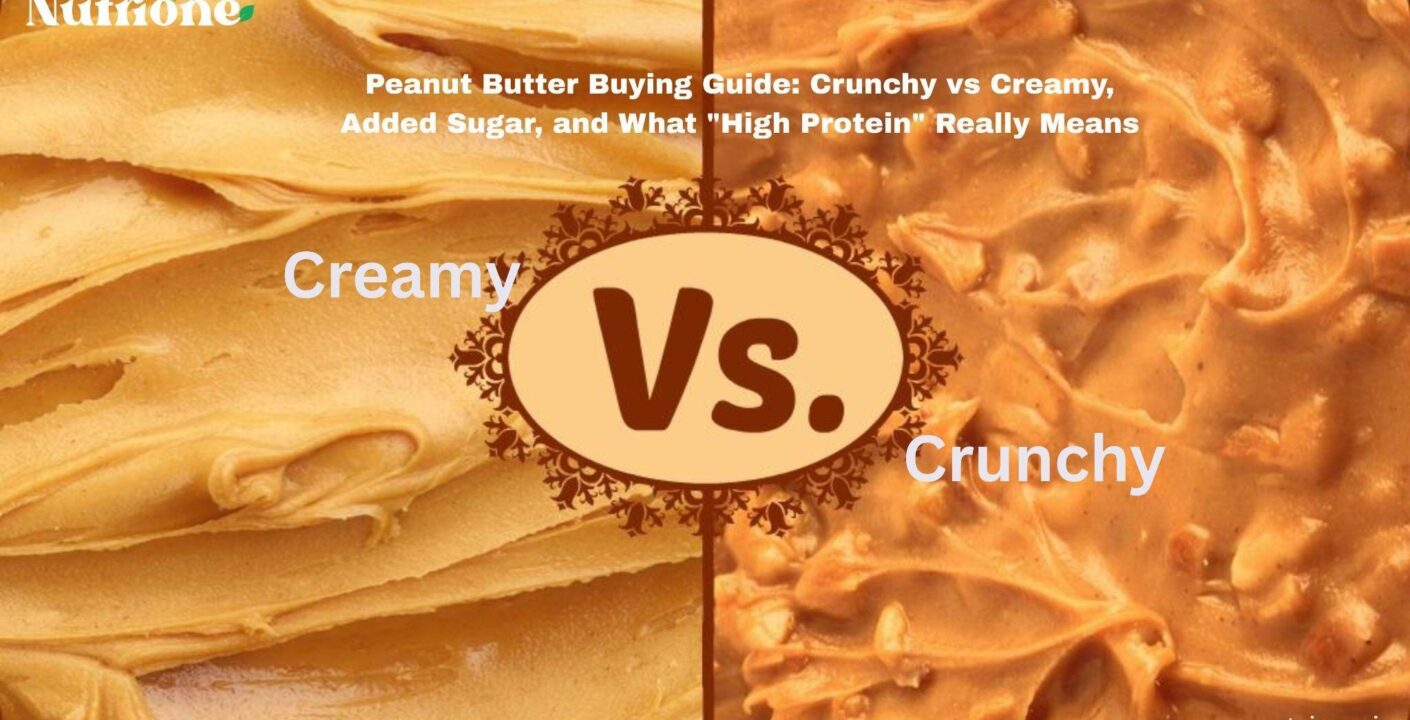
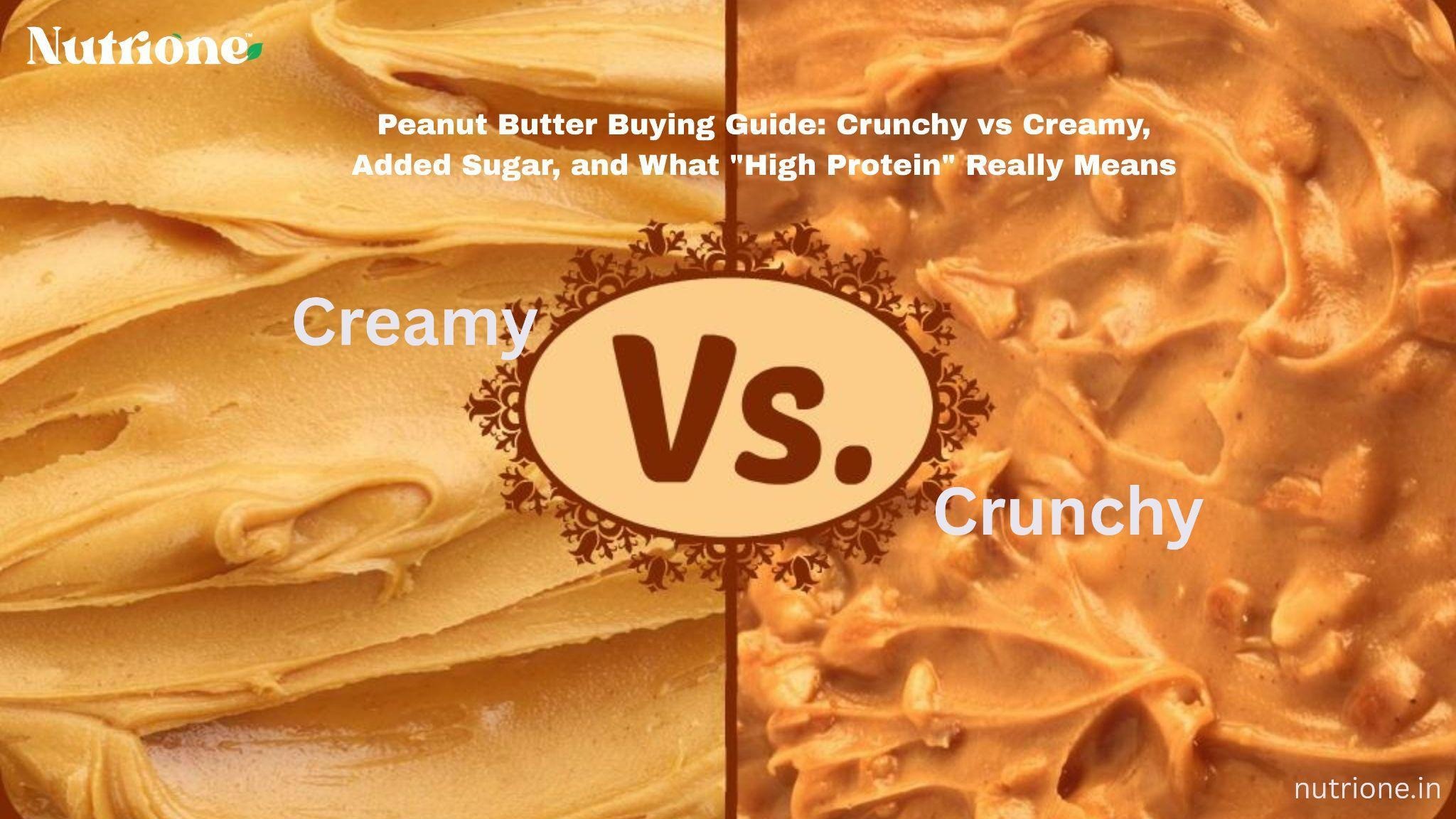
Crunchy vs Creamy: Does It Really Matter?
Nutritionally, the difference is surprisingly small. Both are made from roasted peanuts and offer similar amounts of protein, healthy fats, and calories.
The real difference is texture and how you plan to use it.
| Feature | Creamy | Crunchy |
| Texture | Smooth | Contains peanut pieces |
| Best for | Smoothies, oats, toast | Sandwiches, snacks, baking |
| Easy to spread | Yes | Slightly harder |
| Kid-friendly | Usually preferred | Depends on preference |
If you enjoy smoothies before work or overnight oats after the gym, creamy varieties blend much better. If you like a bit of crunch on toast or apple slices, crunchy is the better choice.
There isn’t a healthier option here. Pick the one you’ll enjoy eating consistently.
Should You Worry About Added Sugar?
This is one of the first things I check when buying any spread.
A small amount of sugar isn’t automatically a problem. What matters is how much has been added and how often you’re eating it.
If you’re someone who enjoys a spoonful occasionally or spreads it on breakfast toast, a little sweetness isn’t likely to make a big difference. But if you’re using it every day in smoothies, snacks, or post-workout meals, choosing a product with lower added sugar makes more sense.
The ingredient list tells the real story. Always spend a few seconds reading it.
What Does “High Protein” Actually Mean?
This is probably the most misunderstood claim on food packaging.
Many people assume “high protein” means twice the nutrition. That’s rarely the case.
Peanuts naturally contain protein, so every jar already contributes to your daily intake. Products marketed as high protein may include additional ingredients to increase the protein content, but the improvement varies between brands.
Instead of trusting the front label, compare the nutrition panel.
Ask yourself:
- How much protein is there per serving?
- What’s the serving size?
- What else has been added?
Those three questions usually tell you everything you need to know.
Don’t Ignore the Ingredient List
The shortest ingredient list often wins.
Look for products made primarily from roasted peanuts. Depending on the variety, you may also see a small amount of salt or natural sweeteners.
Avoid buying purely because the packaging looks premium. The ingredients matter far more than the marketing.
Which Peanut Butter Fits Your Lifestyle?
Different routines call for different choices.
For Gym-Goers
Look for options that fit your daily protein intake and work well in smoothies, oats, or post-workout meals.
For Corporate Professionals
Convenience matters.
A quick breakfast with toast, oats, or fruit paired with a quality spread is often more realistic than preparing an elaborate meal before work.
For Software Employees
Long hours at a desk often lead to unnecessary snacking.
Keeping a jar at home for fruit, whole-grain bread, or yogurt bowls can make healthier choices easier during busy days.
It’s Not Just About Peanut Butter
One thing many people overlook is that no single food completes your nutrition.
A balanced breakfast could include:
- Protein oats
- A serving of protein muesli
- Fresh fruit
- A spoon of peanut butter
- Milk or yogurt
Together, these provide a better balance of carbohydrates, protein, healthy fats, and fibre than relying on one ingredient alone.
My Practical Buying Checklist
Whenever I buy a new jar, I follow this checklist:
✔ Read the ingredient list.
✔ Compare protein per serving.
✔ Check added sugar.
✔ Choose creamy or crunchy based on how I’ll use it.
✔ Ignore flashy marketing claims.
It takes less than a minute and usually leads to a better purchase.
Frequently Asked Questions
Is crunchy healthier than creamy?
No. Nutritionally they’re very similar. The choice comes down to taste and texture.
Is peanut butter good for people who exercise?
Yes. It provides protein and healthy fats, making it a convenient addition to balanced meals and snacks.
Does “high protein” always mean it’s better?
Not necessarily. Always compare the nutrition facts and ingredient list instead of relying on front-of-pack claims.
Can I eat peanut butter every day?
Yes, as part of a balanced diet and in appropriate portions.
What pairs well with peanut butter?
It works well with whole-grain toast, bananas, apples, smoothies, protein oats, yogurt, and protein muesli.
Final Thoughts
Buying peanut butter shouldn’t feel complicated.
Ignore the buzzwords and focus on what actually matters: ingredients, nutrition, and how you’ll use it. Whether you prefer creamy or crunchy, the best choice is the one that fits naturally into your daily routine.
If you’re building a balanced breakfast or post-workout meal, pairing a quality peanut butter with NutriOne Protein Oats or NutriOne Protein Muesli is a simple way to add variety and make your meals more satisfying without overthinking your nutrition.